
 By
By 
A polished wardrobe does not need to begin with expensive tailoring. It begins with a few smart choices. The bright colors, fit, and combinations can make a small suit collection work across interviews, weddings, business events, and dinners.
The goal is to spend with purpose. A well-chosen suit that works with several shirts, ties, and shoes can offer more value than a bargain that rarely leaves the hanger.
Start with the Occasions That Matter
Before shopping, consider where the suit will be worn. A first professional wardrobe may need to cover interviews, meetings, and formal celebrations. Frequent wedding guests may want more variety in color and texture. A buyer replacing an older suit may need one dependable option.
This simple review prevents impulse purchases. It also helps set priorities for color, weight, and formality. The Suit Store offers affordable suits for men seeking practical choices across work, wedding, and special-event wardrobes.
Make Fit the First Quality Test
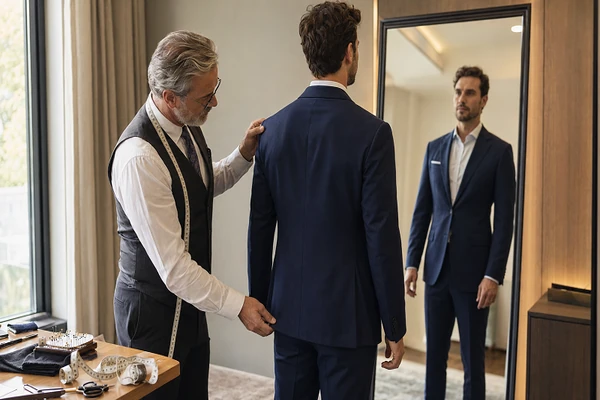
Price matters, but fit shapes the entire impression. Start with the shoulders. The jacket seam should sit close to the natural edge of the shoulder without pulling or extending beyond it. The lapels should lie flat, and the jacket should close without deep creases across the chest or waist.
When comparing cuts, try sitting, walking, reaching, and buttoning the jacket. A clean trouser line, balanced jacket length, and comfortable movement matter more than the size printed on the label. A suit should look composed without feeling restrictive.
Build Around Two Dependable Colors
For most men, navy and charcoal form the strongest starting point. Both colors move easily between professional and social settings. They pair with white, pale blue, soft pink, and subtle patterned shirts. They also work with a broad range of ties, pocket squares, and leather accessories.
Judge Value Beyond the Price Tag
A useful comparison looks at fabric, construction, comfort, and future wear. Check whether the cloth drapes smoothly, whether the lining sits cleanly, and whether seams appear even. Buttons should feel secure, pockets should lie flat, and patterns should look balanced across major panels.
Read the garment label before buying. The Federal Trade Commission’s textile-label guidance explains that most textile products sold in the United States must identify fiber content, country of origin, and the responsible manufacturer or business. That information helps a buyer compare materials and understand what is being purchased.
Budget for the Complete Look
The suit is only one part of the final outfit. Set aside room for alterations, shirts, shoes, a belt, and a small tie rotation. A lower-priced suit that needs extensive work may cost more overall than a better-fitting option with only minor adjustments.
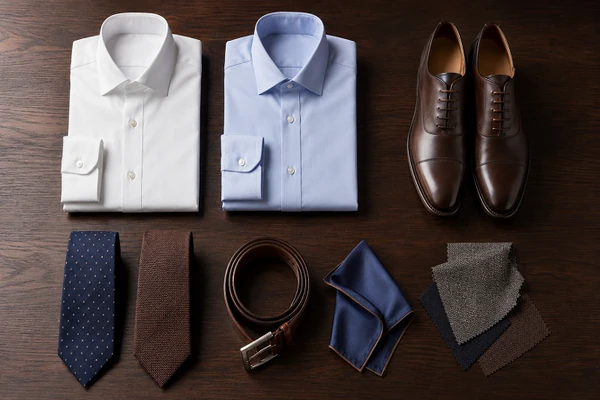
Begin with pieces that repeat well: white and pale-blue shirts, dark leather shoes, and two or three ties. These essentials can create distinct combinations without forcing another major purchase. A pocket square should complement the outfit rather than match the tie exactly.
Protect Every Purchase
Good care helps a suit hold its shape and appearance. Rotate suits instead of wearing the same one on consecutive days. Empty the pockets after use, hang the jacket on a supportive hanger, and allow the fabric to air before returning it to a crowded closet.
Always follow the care label, especially for wool and blended fabrics. Woolmark’s garment-care advice recommends emptying pockets and removing accessories before storage, while a soft garment brush can help lift surface dirt from woven wool. Prompt attention to loose buttons, small stains, and worn hems can also prevent minor issues from becoming costly repairs.
Frequently Asked Questions
How many suits should a basic wardrobe include?
Two versatile suits are enough for many people to begin. Navy and charcoal provide the widest range for professional and formal occasions, while different shirts and accessories keep each look fresh.
Is tailoring worth paying for?
Yes, when the suit fits well through the shoulders and needs reasonable adjustments. Sleeve length, trouser length, and waist suppression can improve the overall silhouette and make a modestly priced suit look more refined.
Should a first suit have a pattern?
A solid color is usually more flexible. Subtle patterns can work well later, once the wardrobe already includes dependable options that can be worn often.
Create a Wardrobe That Works Harder
Smart suit shopping is less about spending more and more about choosing well. Focus on fit, useful colors, honest material information, and the full cost of completing each look. Then care for every garment so it remains ready for the next important moment.
Explore The Suit Store’s collection online or visit one of its locations to compare styles, colors, and fits for a polished wardrobe built around real needs and a sensible budget.







Comments