
 By
By 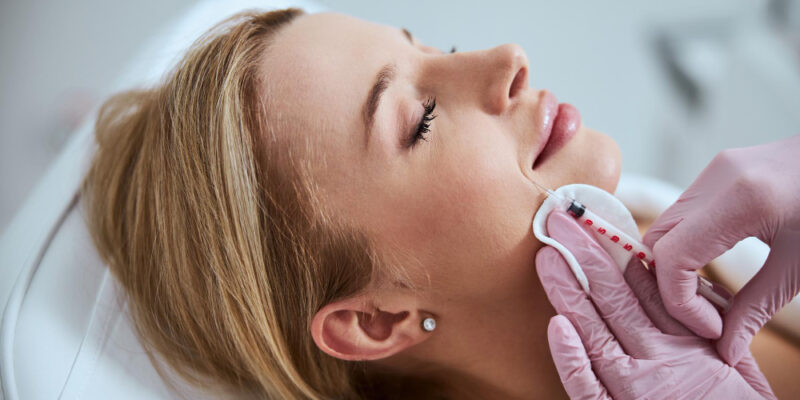
Injectable Treatments Lead the Market
UK clinics continue to see strong demand for injectable aesthetic treatments. These products deliver visible results with minimal downtime. Patients request subtle refinement, not drastic change. Clinics respond with trusted brands and predictable outcomes.
The most requested category remains hyaluronic acid dermal fillers. Practitioners use them to restore volume, define facial contours, and soften static lines. Lip augmentation ranks high. Cheek and jawline contouring follow closely. Tear trough correction also features heavily in treatment menus.
Clinics favour fillers that offer:
- Smooth gel consistency
- Reliable integration into tissue
- Low swelling profile
- Strong safety data
- Wide product range for different densities
Leading lines provide formulations for lips, mid-face, chin, and superficial fine lines. This level of choice allows practitioners to tailor treatment precisely.
Alongside fillers, botulinum toxin type A remains a core revenue driver. Forehead lines, frown lines, and crow’s feet dominate appointment books. Demand for lower face toxin grows steadily. Patients now request treatment for jaw slimming, chin dimpling, and neck bands.
Clinics prioritise toxin brands with consistent diffusion and predictable onset time. Fast appointment turnover supports clinic efficiency.
Skin Boosters and Biostimulators Gain Momentum
Patient expectations shift. Many now request skin quality improvement rather than structural change. This trend fuels the rise of skin boosters and collagen stimulators.
Skin boosters contain stabilised hyaluronic acid designed to hydrate from within. Practitioners inject them superficially across the face, neck, and hands. Results include improved texture, glow, and elasticity. These treatments attract younger patients seeking preventative care.
Demand also rises for polynucleotide injectables. These products focus on skin regeneration and repair. Clinics market them for under-eye rejuvenation and acne scarring.
Biostimulatory products such as calcium hydroxylapatite and poly-L-lactic acid gain traction among patients aged forty-plus. These injectables stimulate collagen production over time. They suit patients who prefer gradual improvement rather than instant volume.
Clinics value treatments that encourage repeat appointments. Skin booster courses typically require two to three sessions. That structure builds long-term patient relationships.
Advanced Medical-Grade Skincare
Retail shelves in UK clinics now feature medical-grade skincare brands. Patients increasingly understand the limits of over-the-counter products. They seek clinically active formulations with proven concentrations.
Top-selling categories include:
- Retinol and retinal formulations
- Vitamin C serums
- Pigmentation correctors
- Medical exfoliants
- SPF 50 broad-spectrum sunscreens
Clinics recommend tailored homecare alongside in-clinic treatments. This combined approach improves overall outcomes. It also increases retail revenue.
Prescription-strength skincare, where permitted, remains popular for acne and melasma management. Patients appreciate structured treatment plans rather than isolated procedures.
Energy-Based Devices and Consumables
While injectables dominate, many UK clinics invest in energy-based technology. Radiofrequency microneedling, laser resurfacing, and IPL treatments generate consistent bookings.
Each device requires ongoing consumables. Disposable tips, cartridges, and protective eyewear represent steady purchasing categories. Clinics prioritise suppliers who guarantee compatible, manufacturer-approved consumables.
Microneedling devices also remain strong sellers. They offer cost-effective skin rejuvenation. Clinics combine microneedling with mesotherapy cocktails or growth factor serums to boost results.
Fat Dissolving Treatments
Non-surgical fat reduction continues to grow. Deoxycholic acid-based fat dissolvers attract patients seeking chin contouring. Submental fat treatment ranks as one of the most requested add-ons to toxin and filler appointments.
Clinics favour products that demonstrate a predictable inflammatory response and consistent fat reduction over staged sessions. Proper patient selection remains critical.
Regenerative and PRP Systems
Interest in regenerative aesthetics drives demand for platelet-rich plasma (PRP) kits. These systems allow clinics to process a patient’s own blood and re-inject concentrated growth factors.
PRP is good for hair restoration, skin rejuvenation, and scar revision. Patients appreciate autologous treatments. Clinics appreciate the minimal product overhead once equipment is installed.
High-quality centrifuge systems and sterile collection kits form an important purchasing category for advanced practices.
Cannulas, Needles and Clinical Essentials
Behind every popular treatment stands a range of essential consumables. Blunt-tip cannulas are gaining popularity for mid-face and jawline work. They reduce bruising and improve practitioner control.
Clinics maintain a stock of:
- 30G and 32G needles
- Sterile syringes
- Chlorhexidine skin prep
- Sharps bins
- Medical gloves and drapes
A reliable supply of these items ensures smooth operation. No treatment proceeds without them.
Combination Treatment Protocols Shape Purchasing Trends
UK clinics rarely rely on a single modality. Combination treatments now define patient care. A typical plan may include toxin for dynamic lines, filler for volume, and skin booster for texture. Add medical-grade skincare for maintenance.
This integrated model influences buying behaviour. Clinics stock complementary products that work together. They build treatment packages rather than isolated procedures.
Patient-Led Demand Drives Product Choice
Social media visibility influences product popularity. Patients request treatments by name. Clinics respond by stocking recognised brands with strong reputations.
However, experienced practitioners focus on clinical performance over marketing noise. They assess safety data, longevity, and complication management support before committing to stock.
The Core of UK Aesthetic Practice
The most popular aesthetic products in UK clinics share common traits:
Injectables dominate. Skin quality treatments grow rapidly. Medical skincare supports long-term results. Devices expand service range.
Successful clinics balance innovation with caution. They stock products that deliver consistent outcomes. They build treatment menus around patient trust.
In modern UK aesthetics, product choice shapes reputation. Clinics that select carefully position themselves for sustained demand and clinical credibility.









Comments